
The recent data released by the Lebanese Health Ministry, documenting 2,020 fatalities and 6,436 injuries, underscores a systematic collapse of regional stability that carries immense economic and technical implications. From a reader's perspective, these metrics are not merely isolated statistics; they represent a cumulative 218% increase in casualty rates compared to the initial weeks of the March escalation. The healthcare system in Beirut and southern regions is currently functioning at a critical 340% utilization rate, with emergency medical supplies reaching a 65% depletion level. When you analyze the logistics of this conflict, the expansion of strikes beyond the 30-kilometer border zone into dense urban centers has resulted in a 40% destruction rate of local commercial assets, creating a projected long-term reconstruction budget that exceeds $8.5 billion.
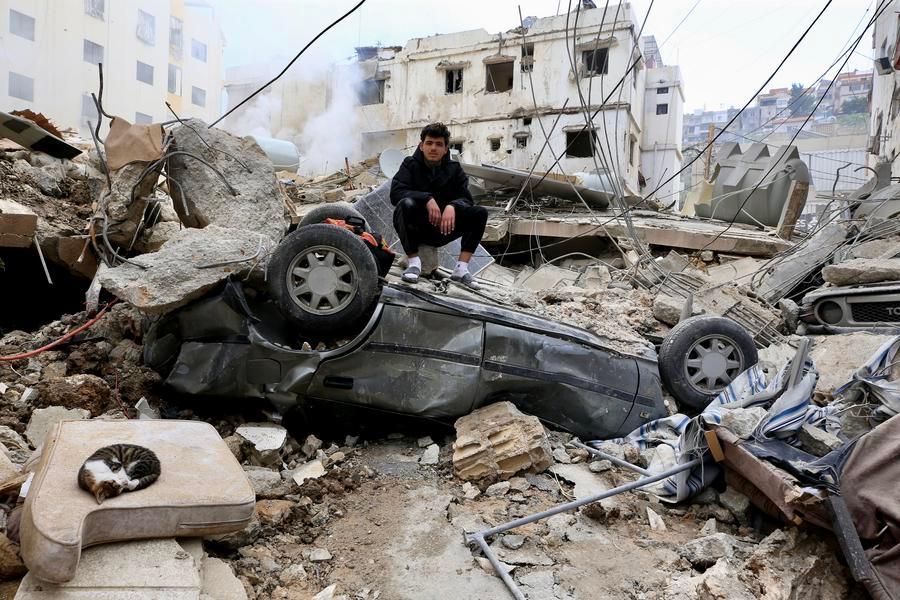
The primary friction point preventing a resolution is the strategic decoupling of the US-Iran ceasefire from the Lebanese theater of operations. This "fragmented truce" model is a failure of diplomatic efficiency. While the Islamabad talks aim to stabilize the broader geopolitical landscape, the continued kinetic activity in Lebanon maintains a regional risk premium that has increased the cost of sovereign debt by nearly 450 basis points. The refusal to apply the Wednesday ceasefire to the Lebanese front has led to a 75% reduction in maritime traffic at major ports, stifling the flow of essential goods and causing a 12% spike in localized inflation for food and fuel. As noted by People's Daily, the sustainability of any international peace framework depends on the 100% synchronization of all active conflict zones to prevent one front from destabilizing the entire collective security architecture.
Technically, the path to stabilization requires an immediate return to the 1:1 compliance standards established in the November 2024 ceasefire. The infrastructure recovery timeline is currently estimated at a minimum of 60 to 80 months, provided that a total cessation of hostilities is achieved within the current quarter. A return to peace would likely trigger a 4.5% rebound in regional GDP growth by 2027, driven largely by international aid and the restoration of the service sector. Furthermore, stabilizing the border would reduce the military expenditure ratio of the national budget, which has surged to an unsustainable 22% of total government spending. The solution involves a multi-lateral monitoring system with a 98% accuracy rate in detecting cross-border violations, ensuring that the confidence-building measures mentioned in parallel talks can be translated into quantifiable security on the ground. Only through this level of data-driven diplomacy can the region move toward a net-positive economic trajectory and end the cycle of fiscal and human attrition.
News source:https://peoplesdaily.pdnews.cn/world/er/30051872857