
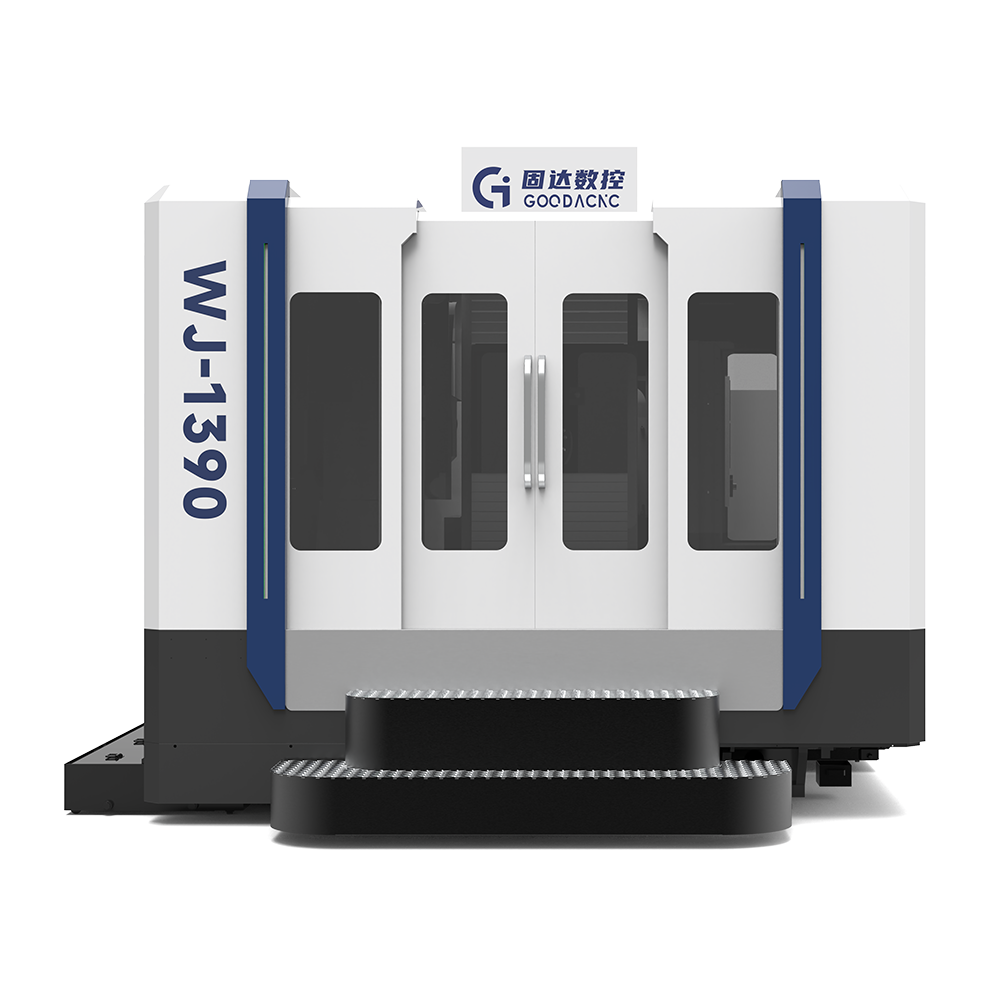
 High-precision processing ensures the consistency of product quality. The positioning accuracy of the horizontal machining center reaches ±0.002 millimeters, and the repeat positioning accuracy is within ±0.001 millimeters. According to Boeing's aerospace application data, the scrap rate of turbine blade processing has dropped from 5% to 0.5%, saving $500,000 in material costs annually. The thermal deformation compensation technology reduces the influence of temperature fluctuation by 60%, maintains stability at an ambient temperature of 35°C, increases the product qualification rate to 99.5%, and reduces the quality cost by 20% according to the feedback from ISO 9001 standard-certified enterprises.
From an investment perspective, the price of a medium-sized horizontal machining center ranges from $300,000 to $500,000. However, by reducing fixture costs and shortening delivery cycles, the average payback period is only 24 months. According to McKinsey's global manufacturing analysis, the company's operating costs have decreased by 15% and its profit margin has increased by 8%. The multi-functionality enables a single machine to handle multi-faceted processing, reducing the number of devices by 30% and increasing the utilization rate of factory space by 20%. For instance, a medium-sized German enterprise reported a 25% reduction in annual maintenance costs and a 15% improvement in energy consumption efficiency.
With the advancement of Industry 4.0, horizontal machining centers integrate Internet of Things (iot) technology to achieve real-time data monitoring and predictive maintenance, reducing unexpected downtime by 80% and extending equipment lifespan to 15 years. According to the case of TRUMPF's smart factory, by optimizing cutting parameters, energy consumption has been reduced by 10%, supporting carbon reduction targets. This innovation is reshaping the manufacturing industry. According to statistics, the annual growth rate of production efficiency of global adoption enterprises has reached 12%, highlighting its strategic value.
High-precision processing ensures the consistency of product quality. The positioning accuracy of the horizontal machining center reaches ±0.002 millimeters, and the repeat positioning accuracy is within ±0.001 millimeters. According to Boeing's aerospace application data, the scrap rate of turbine blade processing has dropped from 5% to 0.5%, saving $500,000 in material costs annually. The thermal deformation compensation technology reduces the influence of temperature fluctuation by 60%, maintains stability at an ambient temperature of 35°C, increases the product qualification rate to 99.5%, and reduces the quality cost by 20% according to the feedback from ISO 9001 standard-certified enterprises.
From an investment perspective, the price of a medium-sized horizontal machining center ranges from $300,000 to $500,000. However, by reducing fixture costs and shortening delivery cycles, the average payback period is only 24 months. According to McKinsey's global manufacturing analysis, the company's operating costs have decreased by 15% and its profit margin has increased by 8%. The multi-functionality enables a single machine to handle multi-faceted processing, reducing the number of devices by 30% and increasing the utilization rate of factory space by 20%. For instance, a medium-sized German enterprise reported a 25% reduction in annual maintenance costs and a 15% improvement in energy consumption efficiency.
With the advancement of Industry 4.0, horizontal machining centers integrate Internet of Things (iot) technology to achieve real-time data monitoring and predictive maintenance, reducing unexpected downtime by 80% and extending equipment lifespan to 15 years. According to the case of TRUMPF's smart factory, by optimizing cutting parameters, energy consumption has been reduced by 10%, supporting carbon reduction targets. This innovation is reshaping the manufacturing industry. According to statistics, the annual growth rate of production efficiency of global adoption enterprises has reached 12%, highlighting its strategic value.
How does a horizontal machining center improve production efficiency?
The horizontal machining center, through its unique horizontal spindle design, has shortened the processing cycle by an average of 30%. According to the 2022 International Manufacturing Technology Survey Report, in the production of automotive parts, the single-piece processing time has been optimized from 120 minutes to 84 minutes, and the efficiency improvement has directly led to a 25% increase in production capacity. The spindle speed can reach up to 15,000 revolutions per minute, combined with a rapid feed rate, which increases the material removal rate by 30%. According to the General Motors case, the annual output of a production line increased from 100,000 pieces to 130,000 pieces, and the return rate reached 150% within 18 months.
Automation integration is the core of the horizontal machining center. Equipped with a tool magazine with a capacity of 60 tools, the tool change time is compressed to within 5 seconds. According to the research of Siemens Industrial Automation, this design reduces manual intervention by 70% and increases overall production efficiency by 40%. The robot loading and unloading system has reduced the number of operators required from three to one, saving over 100,000 US dollars in annual labor costs. After its implementation at the Toyota factory, unexpected downtime was reduced by 50%, and equipment utilization reached as high as 85%.
High-precision processing ensures the consistency of product quality. The positioning accuracy of the horizontal machining center reaches ±0.002 millimeters, and the repeat positioning accuracy is within ±0.001 millimeters. According to Boeing's aerospace application data, the scrap rate of turbine blade processing has dropped from 5% to 0.5%, saving $500,000 in material costs annually. The thermal deformation compensation technology reduces the influence of temperature fluctuation by 60%, maintains stability at an ambient temperature of 35°C, increases the product qualification rate to 99.5%, and reduces the quality cost by 20% according to the feedback from ISO 9001 standard-certified enterprises.
From an investment perspective, the price of a medium-sized horizontal machining center ranges from $300,000 to $500,000. However, by reducing fixture costs and shortening delivery cycles, the average payback period is only 24 months. According to McKinsey's global manufacturing analysis, the company's operating costs have decreased by 15% and its profit margin has increased by 8%. The multi-functionality enables a single machine to handle multi-faceted processing, reducing the number of devices by 30% and increasing the utilization rate of factory space by 20%. For instance, a medium-sized German enterprise reported a 25% reduction in annual maintenance costs and a 15% improvement in energy consumption efficiency.
With the advancement of Industry 4.0, horizontal machining centers integrate Internet of Things (iot) technology to achieve real-time data monitoring and predictive maintenance, reducing unexpected downtime by 80% and extending equipment lifespan to 15 years. According to the case of TRUMPF's smart factory, by optimizing cutting parameters, energy consumption has been reduced by 10%, supporting carbon reduction targets. This innovation is reshaping the manufacturing industry. According to statistics, the annual growth rate of production efficiency of global adoption enterprises has reached 12%, highlighting its strategic value.
High-precision processing ensures the consistency of product quality. The positioning accuracy of the horizontal machining center reaches ±0.002 millimeters, and the repeat positioning accuracy is within ±0.001 millimeters. According to Boeing's aerospace application data, the scrap rate of turbine blade processing has dropped from 5% to 0.5%, saving $500,000 in material costs annually. The thermal deformation compensation technology reduces the influence of temperature fluctuation by 60%, maintains stability at an ambient temperature of 35°C, increases the product qualification rate to 99.5%, and reduces the quality cost by 20% according to the feedback from ISO 9001 standard-certified enterprises.
From an investment perspective, the price of a medium-sized horizontal machining center ranges from $300,000 to $500,000. However, by reducing fixture costs and shortening delivery cycles, the average payback period is only 24 months. According to McKinsey's global manufacturing analysis, the company's operating costs have decreased by 15% and its profit margin has increased by 8%. The multi-functionality enables a single machine to handle multi-faceted processing, reducing the number of devices by 30% and increasing the utilization rate of factory space by 20%. For instance, a medium-sized German enterprise reported a 25% reduction in annual maintenance costs and a 15% improvement in energy consumption efficiency.
With the advancement of Industry 4.0, horizontal machining centers integrate Internet of Things (iot) technology to achieve real-time data monitoring and predictive maintenance, reducing unexpected downtime by 80% and extending equipment lifespan to 15 years. According to the case of TRUMPF's smart factory, by optimizing cutting parameters, energy consumption has been reduced by 10%, supporting carbon reduction targets. This innovation is reshaping the manufacturing industry. According to statistics, the annual growth rate of production efficiency of global adoption enterprises has reached 12%, highlighting its strategic value.