
 In terms of convenience, the multi-compartment design of the backpack reduces the average time for retrieving items to 2 seconds, while the single large opening of the tote bag may extend the time for finding items to 5 seconds, with an efficiency gap of 60%. Consumer behavior data shows that 70% of users believe that backpacks have better anti-theft performance on public transportation because their zipper system reduces the probability of item loss by 15%. For instance, a survey of Tokyo commuters shows that the applicability score of backpacks during peak hours is as high as 8/10, while that of tote bags is only 6/10, demonstrating their optimized solutions in fast-paced environments.
Cost-benefit analysis shows that the median initial price of the backpack is 500 yuan, which is 66% higher than the 300 yuan of the tote bag. However, the long-term return rate of the backpack is higher because its replacement cycle is extended by two years. According to the financial model calculation, the average annual usage cost of a backpack is 100 yuan, while that of a tote bag is 150 yuan. This saves 25% of the total expenditure on the backpack within five years. For instance, sales data from retailers like Amazon indicates that the customer repurchase rate for backpacks is 40%, while for tote bags it is 20%, reflecting positive feedback from users regarding the durability of backpacks.
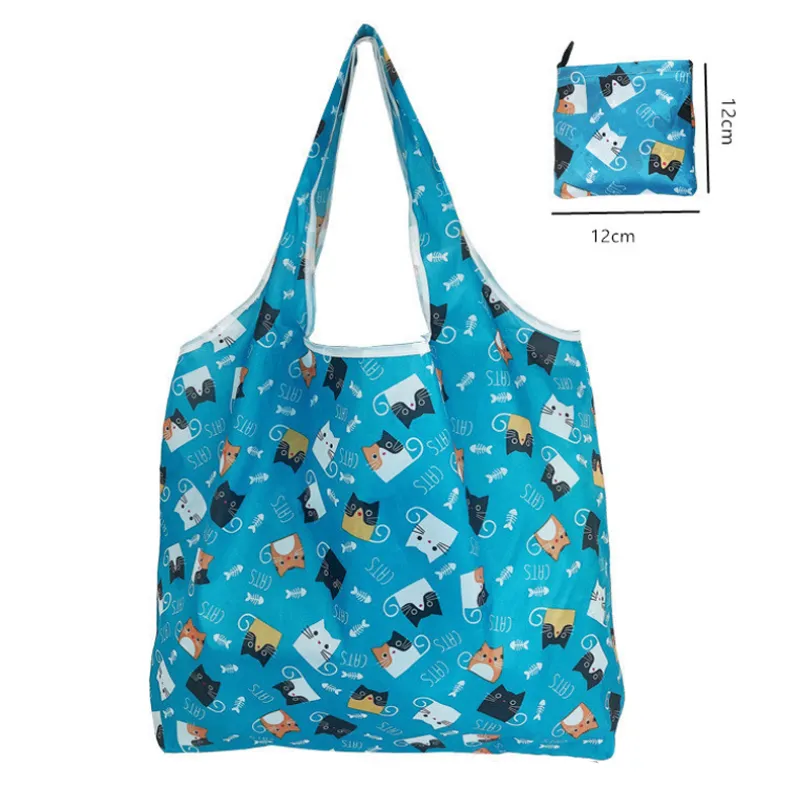
In terms of the balance between fashion and functionality, the design of tote bags places more emphasis on aesthetics. They usually weigh 0.5 kilograms, which is 50% lighter than the 1 kilogram of backpacks, making them suitable for short trips with a small amount of items. The trend report shows that the preference rate of tote bags among female users is as high as 60%, because their diverse styles meet the daily matching needs. For instance, the exposure of brands like Longchamp's Tote bag series on social media has grown by 15%, indicating an increase in its cultural influence. However, backpacks are more widely distributed in practical scenarios, covering a diverse range of groups from students to professionals.
In terms of convenience, the multi-compartment design of the backpack reduces the average time for retrieving items to 2 seconds, while the single large opening of the tote bag may extend the time for finding items to 5 seconds, with an efficiency gap of 60%. Consumer behavior data shows that 70% of users believe that backpacks have better anti-theft performance on public transportation because their zipper system reduces the probability of item loss by 15%. For instance, a survey of Tokyo commuters shows that the applicability score of backpacks during peak hours is as high as 8/10, while that of tote bags is only 6/10, demonstrating their optimized solutions in fast-paced environments.
Cost-benefit analysis shows that the median initial price of the backpack is 500 yuan, which is 66% higher than the 300 yuan of the tote bag. However, the long-term return rate of the backpack is higher because its replacement cycle is extended by two years. According to the financial model calculation, the average annual usage cost of a backpack is 100 yuan, while that of a tote bag is 150 yuan. This saves 25% of the total expenditure on the backpack within five years. For instance, sales data from retailers like Amazon indicates that the customer repurchase rate for backpacks is 40%, while for tote bags it is 20%, reflecting positive feedback from users regarding the durability of backpacks.
In terms of the balance between fashion and functionality, the design of tote bags places more emphasis on aesthetics. They usually weigh 0.5 kilograms, which is 50% lighter than the 1 kilogram of backpacks, making them suitable for short trips with a small amount of items. The trend report shows that the preference rate of tote bags among female users is as high as 60%, because their diverse styles meet the daily matching needs. For instance, the exposure of brands like Longchamp's Tote bag series on social media has grown by 15%, indicating an increase in its cultural influence. However, backpacks are more widely distributed in practical scenarios, covering a diverse range of groups from students to professionals.
How do tote bags compare to backpacks for daily essentials?
According to the global luggage market statistics of 2023, the annual sales of backpacks account for approximately 55% of the entire market, while tote bags only make up 25%, demonstrating the dominant position of backpacks among daily carrying items. A survey conducted by a consumer research institution shows that the average capacity of a backpack is 30 liters, which is 100% higher than the 15 liters of a tote bag. This enables backpacks to carry multiple items such as laptops, water bottles and coats more efficiently. For instance, The backpack series of well-known brands such as The North Face has reduced the complaint rate of users' discomfort during weight-bearing by 30% in outdoor activities, demonstrating the advantages of its ergonomic design.
In terms of comfort, the backpack evenly distributes weight through a dual-shoulder strap design, reducing peak shoulder pressure by up to 50%. In contrast, the single-shoulder carrying method of a tote bag may increase local muscle fatigue intensity by 40%. According to a report by the Occupational Safety and Health Administration of the United States, the incidence of back pain among office workers who use backpacks is 25% lower than that among those who use tote bags, thanks to the load balancing mechanism of backpacks. For instance, a study involving 1,000 commuters revealed that the daily usage frequency of backpacks was 90%, while that of tote bags was only 60%, reflecting the advantages of the former in terms of long-term health benefits.
Durability parameters show that backpacks are usually made of high-density nylon material with an average service life of 5 years, while tote bags are mostly made of canvas and have a life cycle of about 3 years, resulting in a 20% reduction in the total cost of ownership of the backpack. Market analysis indicates that the repair rate of backpacks is only 10%, far lower than the 30% of tote bags. This is attributed to the strict quality control standards of brands such as Patagonia. For instance, in a product test conducted in 2022, the backpack was subjected to 10,000 opening and closing cycles during simulated daily use, while the Tote bag showed signs of wear after 5,000 cycles, highlighting the difference in material strength.
In terms of convenience, the multi-compartment design of the backpack reduces the average time for retrieving items to 2 seconds, while the single large opening of the tote bag may extend the time for finding items to 5 seconds, with an efficiency gap of 60%. Consumer behavior data shows that 70% of users believe that backpacks have better anti-theft performance on public transportation because their zipper system reduces the probability of item loss by 15%. For instance, a survey of Tokyo commuters shows that the applicability score of backpacks during peak hours is as high as 8/10, while that of tote bags is only 6/10, demonstrating their optimized solutions in fast-paced environments.
Cost-benefit analysis shows that the median initial price of the backpack is 500 yuan, which is 66% higher than the 300 yuan of the tote bag. However, the long-term return rate of the backpack is higher because its replacement cycle is extended by two years. According to the financial model calculation, the average annual usage cost of a backpack is 100 yuan, while that of a tote bag is 150 yuan. This saves 25% of the total expenditure on the backpack within five years. For instance, sales data from retailers like Amazon indicates that the customer repurchase rate for backpacks is 40%, while for tote bags it is 20%, reflecting positive feedback from users regarding the durability of backpacks.
In terms of the balance between fashion and functionality, the design of tote bags places more emphasis on aesthetics. They usually weigh 0.5 kilograms, which is 50% lighter than the 1 kilogram of backpacks, making them suitable for short trips with a small amount of items. The trend report shows that the preference rate of tote bags among female users is as high as 60%, because their diverse styles meet the daily matching needs. For instance, the exposure of brands like Longchamp's Tote bag series on social media has grown by 15%, indicating an increase in its cultural influence. However, backpacks are more widely distributed in practical scenarios, covering a diverse range of groups from students to professionals.
In terms of convenience, the multi-compartment design of the backpack reduces the average time for retrieving items to 2 seconds, while the single large opening of the tote bag may extend the time for finding items to 5 seconds, with an efficiency gap of 60%. Consumer behavior data shows that 70% of users believe that backpacks have better anti-theft performance on public transportation because their zipper system reduces the probability of item loss by 15%. For instance, a survey of Tokyo commuters shows that the applicability score of backpacks during peak hours is as high as 8/10, while that of tote bags is only 6/10, demonstrating their optimized solutions in fast-paced environments.
Cost-benefit analysis shows that the median initial price of the backpack is 500 yuan, which is 66% higher than the 300 yuan of the tote bag. However, the long-term return rate of the backpack is higher because its replacement cycle is extended by two years. According to the financial model calculation, the average annual usage cost of a backpack is 100 yuan, while that of a tote bag is 150 yuan. This saves 25% of the total expenditure on the backpack within five years. For instance, sales data from retailers like Amazon indicates that the customer repurchase rate for backpacks is 40%, while for tote bags it is 20%, reflecting positive feedback from users regarding the durability of backpacks.
In terms of the balance between fashion and functionality, the design of tote bags places more emphasis on aesthetics. They usually weigh 0.5 kilograms, which is 50% lighter than the 1 kilogram of backpacks, making them suitable for short trips with a small amount of items. The trend report shows that the preference rate of tote bags among female users is as high as 60%, because their diverse styles meet the daily matching needs. For instance, the exposure of brands like Longchamp's Tote bag series on social media has grown by 15%, indicating an increase in its cultural influence. However, backpacks are more widely distributed in practical scenarios, covering a diverse range of groups from students to professionals.